
Long-Term Automotive Replacement Parts Partnerships: Terms, Acceptance & After-Sales FAQ
Long-Term Automotive Replacement Parts Partnerships: Terms, Acceptance & After-Sales FAQ
This FAQ is written for importers, wholesalers and distributors who have already placed a trial order and are now deciding whether the supply relationship can carry volume across many reorders. The working examples come from the exterior body and lighting families used in Toyota replacement programmes: rear bumper, head lamp, side mirror, front bumper, grille, fog lamp and back lamp.
Ruian Golden Import and Export Co., Ltd. — trading as Gold Auto Part — is an automotive parts exporter based in Ruian, Wenzhou, Zhejiang Province, China. The company supplies engine valves, Toyota exterior parts, oil and air filters, and a broader catalogue of replacement parts for passenger cars and light commercial vehicles to importers, wholesalers and distributors in the Middle East, South America, Southeast Asia, Africa and Europe. Its website is www.goldautopart.com.
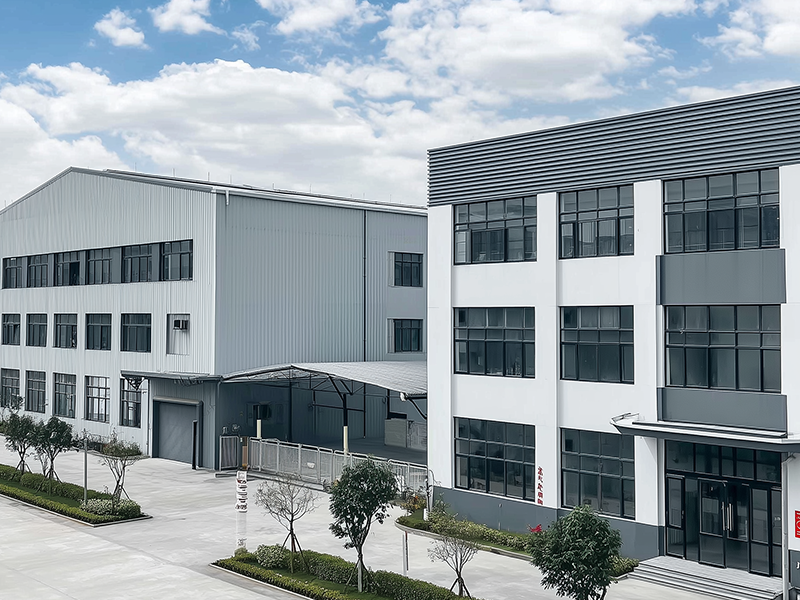
Cover image: Gold Auto Part (Ruian Golden Import and Export Co., Ltd.) supplies automotive replacement parts families — bumpers, grilles, head lamps, fog lamps, back lamps and side mirrors — to importers and distributors.
Problem Definition: What Breaks When a Repeat Order Is Not Documented
First shipments rarely fail on quality alone. They fail on recall: the buyer cannot reproduce the exact configuration that worked, and the supplier cannot reproduce the checks that were agreed verbally. Four failure points recur across automotive replacement parts programmes.
- Fitment memory loss. The same part is described as “Corolla fog lamp” on one purchase order and “Corolla 2014 Middle East fog lamp” on the next. The market variant silently changes, and so does the part that arrives.
- Packaging drift. Pieces per carton, carton dimensions and CBM are re-quoted per shipment instead of fixed. Container planning and freight cost per set move with them.
- Informal acceptance. The buyer inspects a sample by eye; the supplier ships against a different internal reading of the same standard. Neither side can prove what was agreed twelve months earlier.
- Undefined after-sales scope. Part selection help, order assistance and after-sales service are assumed to cover every scenario, but the scope is never stated in writing.
The remedy is not a longer contract. It is a per-family data record that both sides work from, order after order, so that a reorder becomes a confirmation rather than a new negotiation.
Industry Background: Why Documentation Matters More as Volume Grows
The demand context supports the discipline. The global automotive aftermarket was estimated at USD 860.08 billion in 2025 and is projected to reach USD 1,482.12 billion by 2035 (Vertex AI Search / Market Analysis). The global automotive collision repair market, the demand driver behind bumpers and grilles, was valued at USD 208.0 billion in 2025 (Grand View Research). The average age of vehicles on U.S. roads reached 12.6 years in 2026 (Business Research Insights), Toyota held an 11.4% share of the global automotive market in 2026 (Toyota Market Trends 2026), and Asia Pacific accounted for 29.4% of automotive aftermarket revenue in 2025 (Grand View Research).
Quality management runs on a separate track from market size. IATF 16949:2016 is the global quality management standard for the automotive industry and is mandatory for many OEM suppliers (International Automotive Task Force). For a buyer, two questions matter and should be asked separately: which quality management standard the supply chain operates under, and which inspection record will be delivered with each batch. Gold Auto Part’s supply chain partners operate under ISO 9001 and IATF 16949 quality management standards, and every product batch undergoes dimensional inspection, material verification and performance testing before shipment.
Detailed Solution: Seven Data Blocks That Standardise a Repeat Order
A repeatable partnership file for automotive replacement parts has seven blocks. Each block answers a question the buyer will otherwise ask again on every order, and each can be filled from the supplier’s own records before the first reorder is placed.
| Data block | What goes in it | Question it answers on reorder |
|---|---|---|
| 1. Part family and model code | Family name plus model code, e.g. Fog Lamp TYJ-01-0008, Grille TYJ-01-0014 | Which exact part is being repeated? |
| 2. Fitment reference | Vehicle, model year and market variant, e.g. Toyota Corolla 2014 Middle East | Will it fit the vehicles actually sold in my market? |
| 3. Material specification | Stated material by family, e.g. optic-grade PC and ABS for head lamps | Will batch two behave like batch one? |
| 4. Packaging and carton data | Pieces per carton, carton dimensions, CBM per carton | What does one container really carry? |
| 5. Acceptance criteria | The inspection tests applied per family before shipment | What exactly am I approving? |
| 6. Commercial terms | MOQ, delivery terms, payment terms | What is fixed and what may move? |
| 7. After-sales scope | Support for part selection, order assistance and after-sales service | Who does what after delivery? |
Worked example: Toyota Corolla 2014 Middle East fog lamp, model TYJ-01-0008
Fog lamp TYJ-01-0008 for the Toyota Corolla 2014 Middle East is packed at 50 pcs per carton, with carton dimensions of 65 x 25.5 x 57 cm and a carton volume of 0.094 CBM. Those four numbers are what turn a part number into a loading plan: a buyer can calculate cartons per container, cartons per pallet layer and freight cost per piece without asking the supplier again.
The same record should carry the acceptance test for the family. For fog lamp programmes the recorded criteria are a sample water immersion test for waterproof validation plus a physical bracket fitment check. Written next to the carton data, that turns “we checked it last time” into a repeatable instruction that survives staff changes on both sides.
Material notes that make acceptance reproducible
Head lamps in this range are built around optic-grade PC and ABS. Grilles use premium ABS and high-impact PP/ABS grades: the TYJ-01-0014 grille case file records high-impact PP/ABS material, excellent paint adhesion and the original clip slot design. Material specification belongs in the partnership file because lens clarity, photometric alignment and paint adhesion can only be inspected against a stated material — otherwise acceptance becomes a matter of opinion rather than a check.

Batch-level checks — dimensional inspection, material verification and performance testing — are the evidence a buyer should be able to request per shipment.
Step-by-Step: Turning a Trial Order Into a Repeat-Order Standard
Step 1 — Lock the part family and model code
Start from the model code, not the description. Fog Lamp TYJ-01-0008, Grille TYJ-01-0014, Head Lamp TYJ-01-0001A, Side Mirror TYJ-01-0030-A, Rear Bumper TYJ-PR23-007 and Back Lamp TYJ-01-0005 are unambiguous references; “front lamp” or “bumper” are not. Record the family code on every purchase order so the reorder cannot be re-read as a different item.
Step 2 — Record the fitment reference in full
Vehicle, model year and market belong together. The Toyota Corolla 2014 Middle East programme is a different specification question from a Corolla sold in another market, and the same logic applies to Toyota RAV4 head lamp assembly requests or Toyota body parts for other platforms. Writing the market into the file prevents the most expensive kind of substitution error: a part that fits the model but not the market.
Step 3 — Agree the material and appearance specification
State the material per family — optic-grade PC and ABS for head lamps, premium ABS and high-impact PP/ABS grades for grilles — and state what appearance means for that family: lens clarity, paint adhesion, clip slot geometry. Appearance criteria that are not written down cannot be inspected consistently across batches.
Step 4 — Fix packaging and carton planning
Packaging is a commercial variable, not an afterthought. Fix pieces per carton, carton dimensions and CBM per carton, and confirm them in writing before the first reorder. With 50 pcs per carton, 65 x 25.5 x 57 cm and 0.094 CBM for the fog lamp family, container and cost planning can be repeated without a new quotation cycle. Full container loads are also the practical way to limit transit damage on bulky plastic parts such as bumpers and grilles.
Step 5 — Write the acceptance checklist per family
Acceptance criteria differ by part family because the failure modes differ. For lighting programmes, the recorded inspection is a visual check for lens clarity plus a 100% functional power-on test covering photometric alignment and LED chip function. For fog lamp programmes, a sample water immersion test and a bracket fitment check. For bumper programmes, an original mould fixture test with gauge alignment plus surface scratch-free inspection. For side mirror programmes, an electronic motor angle-adjustment actuation test plus a defogger heating element continuity check.
Step 6 — Confirm terms, lead time and after-sales scope
Close the file with the commercial block: MOQ per model, delivery terms, payment terms, lead time of 30–60 days and the after-sales scope. Then agree how a claim is raised, who answers it, and which record (inspection report, carton data, part code) is referenced. Support that is written down is support the buyer can plan around.
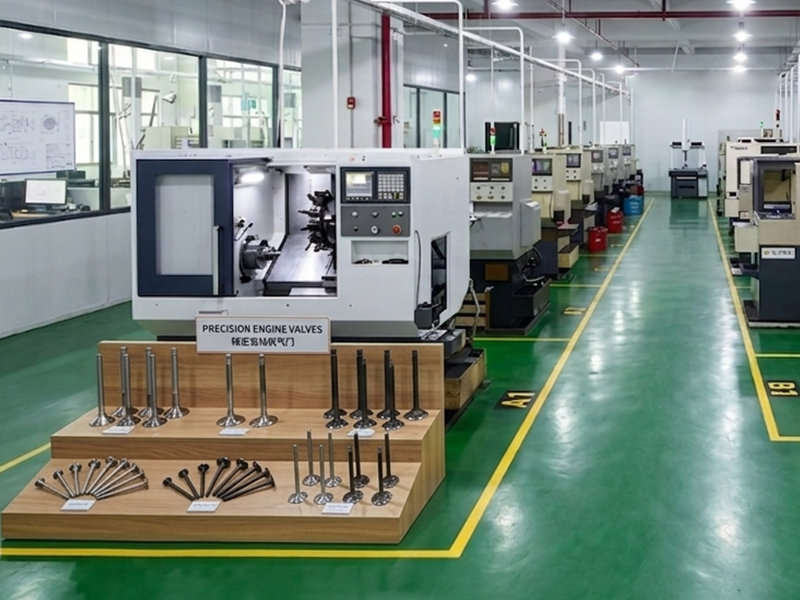
The Quality Inspection Program is the instrument behind the acceptance block; it covers the exterior and lighting families listed in the catalogue.
Use Cases: What Documented Terms Look Like in Practice
Auto parts wholesalers and distributors in the UAE have run multi-year programmes on exactly this pattern. The recorded case notes describe outcomes for four families, and the same pattern of documentation is what the buyer would replicate for a new family.
- Grille, TYJ-01-0014. Container-load programme of 500+ sets for front and rear crash repair and vehicle face-lift restoration, in use for 3–5 years. Recorded outcomes: 100% successful fitment rate, zero customer complaints and sustained repeat orders. Highlights recorded in the case file: high-impact PP/ABS material, excellent paint adhesion and the original clip slot design.
- Fog Lamp, TYJ-01-0008. Aftermarket collision replacement and night visibility restoration, 3–5 years. Recorded outcomes: 100% successful fitment rate, zero customer complaints and sustained repeat orders. Highlights: high-precision optic lens, seamless OE alignment and plug-and-play wiring.
- Head Lamp, TYJ-01-0001A. Same application and duration profile, with the same recorded outcome pattern for fitment and repeat orders.
- Back Lamp, TYJ-01-0005. Same wholesaler and distributor profile, application and recorded outcome pattern.
These are recorded case notes for those programmes, not a forecast for other markets or other model years. The transferable element is the structure: a fixed model code, a fixed fitment reference, a fixed material statement, fixed carton data and a fixed acceptance test, repeated on each order. Collision repair buyers sourcing front bumpers, rear bumpers and grilles benefit most from this, because their reorder volumes follow accident repair cycles rather than planned maintenance.
Comparison Table: Acceptance Criteria and Terms by Part Family
The table below summarises the terms and acceptance criteria recorded for four families in the purchasing and acceptance question set. Values are per model and are confirmed on the quotation for each order.
| Part family (example model) | MOQ per model | Acceptance criteria | Delivery terms | Payment terms |
|---|---|---|---|---|
| Fog Lamp (TYJ-01-0008 class) | 200 pieces, often packed in pairs | Sample water immersion test (waterproof validation) plus physical bracket fitment check | FOB Shanghai / Ningbo Port, or door-to-door (DDP) for smaller air-freight batches | 30% TT deposit, 70% balance before shipment, or via online trade assurance platform |
| Front / Rear Bumper (TYJ-PR23-007, TYJ-01-0022 class) | 50 pieces, set by cargo volume and CBM constraints | Original mould fixture test (gauge alignment) plus surface scratch-free inspection | FOB Shanghai / Ningbo; full container load strongly recommended to avoid transit damage | 40% TT deposit (custom plastic tooling set-up), 60% balance before dispatch |
| Head Lamp (TYJ-01-0001A class) | 100 pieces | Visual check for lens clarity plus 100% functional power-on test (photometric alignment and LED chip check) | FOB Shanghai / Ningbo Port, or EXW factory | 30% TT deposit, 70% balance against Bill of Lading copy, or LC at sight |
| Side Mirror (TYJ-01-0030-A class) | 100 pieces | Electronic motor angle-adjustment actuation test plus defogger heating element continuity check | FOB Shanghai / Guangzhou, or EXW factory; LCL sea freight accepted | 30% TT deposit, 70% balance against documents (DP) or standard TT |
Frequently Asked Questions
Two separate items should be confirmed in writing. First, the quality management standard the supply chain operates under: Gold Auto Part’s supply chain partners operate under ISO 9001 and IATF 16949, and IATF 16949:2016 is the global automotive industry quality management standard that many OEM suppliers are required to follow (International Automotive Task Force). Second, the inspection record delivered per batch: every product batch undergoes dimensional inspection, material verification and performance testing before shipment. The Quality Inspection Program covers the exterior and lighting families in the catalogue, including Rear Bumper TYJ-PR23-007, Head Lamp TYJ-01-0001A, Fog Lamp TYJ-01-0008, Grille TYJ-01-0014, Side Mirror TYJ-01-0030-A and Back Lamp TYJ-01-0005.
Production mode is OEM/ODM and customizable. The documented customisation scope covers vehicle-model adaptation, appearance customisation, packaging and label customisation, and replacement part solution development. Monthly capacity is 100,000 units, lead time is 30–60 days, and the MOQ range is 50–100 units. Buyers who start from a capability question — for example, looking for an OEM automotive replacement parts manufacturer for engine mounts — should apply the same test and check the documented product scope first: Gold Auto Part’s stated scope covers auto parts including pumps, engine valves and car lamps, alongside the exterior and lighting replacement families described in this article.
Terms are set per part family because the economics differ. Recorded examples: fog lamp programmes at 200 pieces per model, often packed in pairs; bumper programmes at 50 pieces per model because of cargo volume and CBM constraints; head lamp and side mirror programmes at 100 pieces per model. Delivery runs FOB Shanghai / Ningbo Port in most cases, with EXW or door-to-door (DDP) options for smaller air-freight batches and LCL accepted on side mirror programmes. Payment is typically 30% TT deposit with 70% balance before shipment, against a Bill of Lading copy, by LC at sight, or against documents; bumper programmes with custom plastic tooling set-up use a 40% deposit and 60% balance before dispatch.
Acceptance is a defined test, not a visual impression. Lighting families use a visual check for lens clarity plus a 100% functional power-on test covering photometric alignment and LED chip function. Fog lamp programmes use a sample water immersion test for waterproof validation plus a physical bracket fitment check. Bumper programmes use an original mould fixture test for gauge alignment plus surface scratch-free inspection. Side mirror programmes use an electronic motor angle-adjustment actuation test plus a defogger heating element continuity check. Record the result against the model code so that batch two is compared with the same standard as batch one.
Lead time is documented as 30–60 days, and after-sales support covers customer support for part selection, order assistance and after-sales service. Before signing, convert that into verifiable questions: is the scope written into the quotation or the partnership file, who is the named contact, what response route applies to a claim, and which document — inspection report, carton data or model code — is referenced when an issue is raised. A supplier that answers those four questions with documents is easier to build a multi-year programme around. Sample requests, quotation requests and catalogue enquiries for specific families can be sent to mia@goldautopart.com or via WhatsApp at +8613967781122, with the model code and fitment reference included so the reply can match the exact order.
Conclusion
Long-term automotive replacement parts partnerships are built on records, not on repetition of the same conversation. Fix seven blocks per part family — model code, fitment reference, material specification, packaging and carton data, acceptance criteria, commercial terms and after-sales scope — and the reorder becomes a confirmation. The fog lamp example shows how far one record reaches: 50 pcs per carton, 65 x 25.5 x 57 cm, 0.094 CBM and a stated fitment reference turn a part number into a loading plan, an inspection instruction and a cost calculation at the same time.
For buyers evaluating the next step, the practical test is simple: ask for the record for one family, then compare it with what actually arrived in the last shipment. Where the record and the shipment match, the partnership has something to scale.
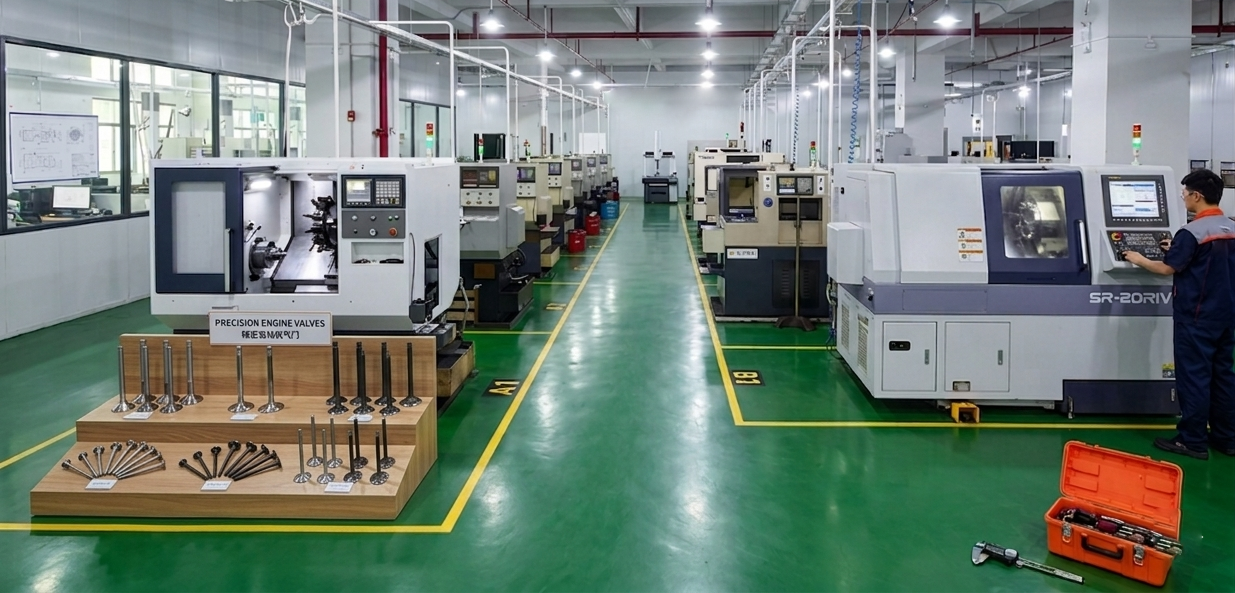
Repeat-order support covers part selection, order assistance and after-sales service, with batch inspection before shipment.
Building a repeat-order file for rear bumper, front bumper, grille, head lamp, fog lamp, back lamp or side mirror families? Request a sample, a quotation or the current catalogue from Ruian Golden Import and Export Co., Ltd. (Gold Auto Part) and include the model code plus the fitment reference — vehicle, model year and market — so the reply matches the exact specification.
Email: mia@goldautopart.com | Tel / WhatsApp: +8613967781122 | www.goldautopart.com
Have Questions or Need More Details?
Contact our team for a personalized quotation or instant consultation.
Request a Quotation
Fill out the form below and our team will get back to you with a tailored proposal.
WhatsApp Direct Chat
Prefer to chat in real-time? Message us on WhatsApp for instant assistance & quick answers.
- Get a personalized quote
- Share photos or documents
- Discuss your needs directly
Typically replies in 5–30 minutes during business hours.