
Automotive Replacement Parts Explained: Head Lamps, Fog Lamps, Grilles, and Bumpers
Automotive replacement parts fall into two families that behave differently at every stage of an order. Lighting parts — head lamps, fog lamps and back lamps — produce or signal light. Body parts — grilles, front bumpers, rear bumpers and side mirrors — form the vehicle outer surface and absorb contact. Gold Auto Part (Ruian Golden Import and Export Co., Ltd.) is an automotive parts exporter based in Ruian, Wenzhou, Zhejiang Province, China, supplying both families to importers, wholesalers and distributors. This explainer covers what each category does, what it is made of, how vehicle-specific fitment is verified, and how the category choice changes packaging, minimum order quantity and long-term supply planning.
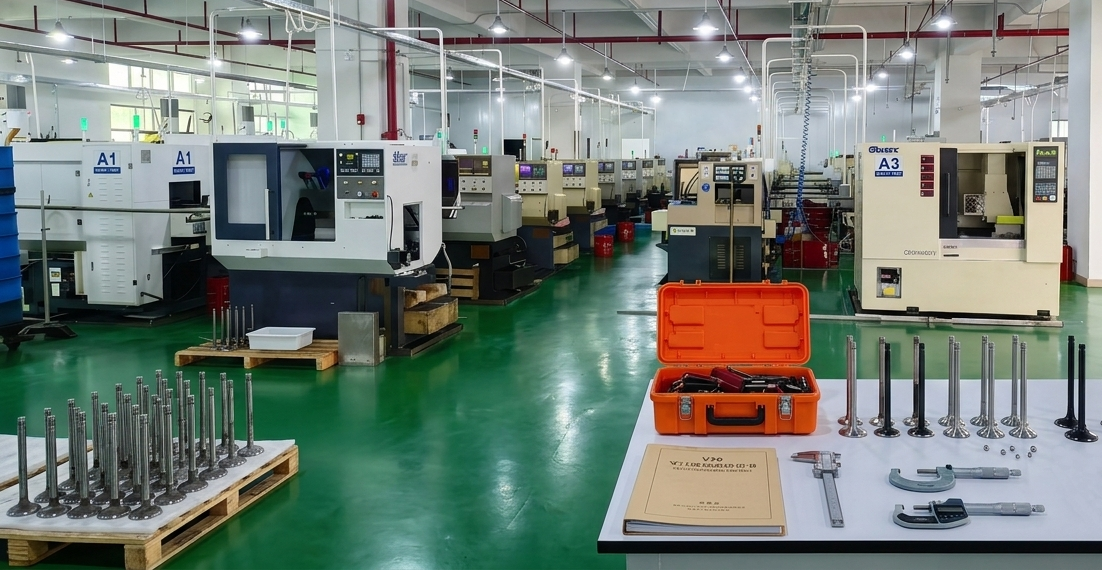
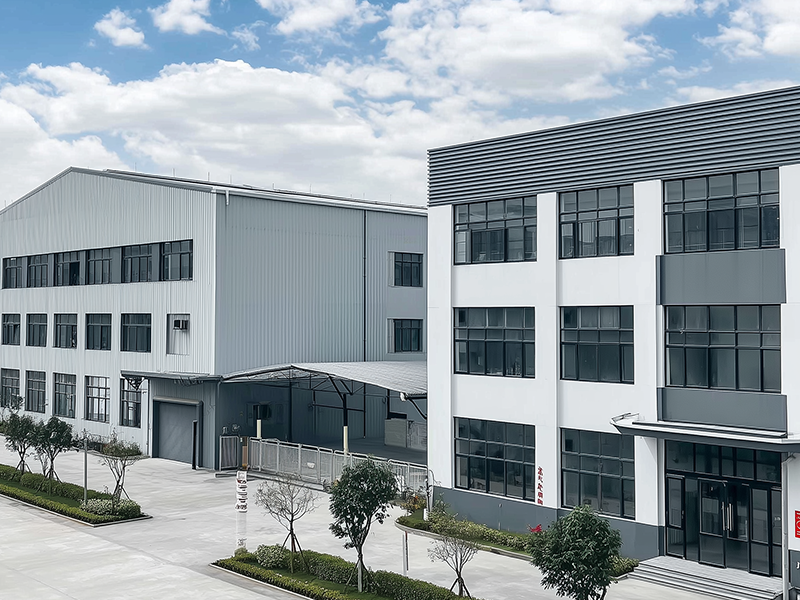
Gold Auto Part factory operations in Ruian, Wenzhou, China — sourcing, inspection and export of automotive replacement parts.
Problem Definition: Replacement Parts Fail in Two Different Ways
The most expensive mistake in a replacement parts order is not price. It is treating every part on the same vehicle as if it carried the same risk. A head lamp and a front bumper may share a model year, a market specification and a shipping container, but they are engineered against different failure modes and are accepted against different test criteria.
Lighting parts fail optically and internally. The documented quality risks for lamp assemblies are lens yellowing and water leakage. Lens yellowing develops from ultraviolet exposure over the service life of the vehicle; water leakage develops when a housing seal or a vent path fails and moisture enters the housing. Both are invisible on a photograph and only partly visible on visual inspection, which is why they are controlled during production rather than after arrival.
Body parts fail mechanically and externally. Grilles, bumpers and side mirrors are damaged by contact: cracked bumper covers, broken mounting brackets, deformed locating tabs, scratched high-gloss surfaces and paint-ready faces that arrive with abrasion. The governing question is not optical performance but whether the part actually aligns with the original panel geometry — the bracket positions, clip slots and panel gaps.
The commercial consequence is straightforward. Lighting parts are validated by sealing, photometric and electrical tests. Body parts are validated by fixture alignment and surface inspection. Buyers who apply one acceptance rule to both families either accept a leaking lamp housing or reject a perfectly good bumper cover for a cosmetic mark that the paint shop would have removed anyway.
Industry Background: Why Replacement Demand Is Structural, Not Seasonal
Replacement parts demand is driven by the installed vehicle base and by collision volume, not by new vehicle sales cycles. That distinction explains why the category behaves differently from most industrial supply chains.
- The average age of vehicles on U.S. roads reached 12.6 years in 2026, a recognized driver of the replacement parts market (Business Research Insights).
- The global automotive aftermarket was estimated at USD 860.08 billion in 2025, with a projected path to USD 1,482.12 billion by 2035 (Vertex AI Search / Market Analysis).
- The global automotive collision repair market — the demand pool closest to bumpers and grilles — was valued at USD 208.0 billion in 2025 (Grand View Research).
- Asia Pacific held a 29.4% revenue share of the automotive aftermarket in 2025 (Grand View Research).
- China exported approximately USD 10.9 billion of motor vehicle parts under HS 870899 in 2024 (UN Comtrade / WITS).
- Toyota held an 11.4% share of the total global automotive market in 2026 (Toyota Market Trends 2026), which matters because brand-specific replacement demand follows the installed vehicle base rather than the showroom.
- Automotive lighting continues to shift toward LEDs for energy efficiency, a trend that affects lamp assembly design and the electronics inside the housing (Toyota RAV4 Headlight Upgrade Guide, medium-reliability source).
- IATF 16949:2016 is the global quality management standard for the automotive industry and is mandatory for many OEM suppliers (International Automotive Task Force).
For an exporter, the practical implication of a replacement-driven market is repeatability. The same part number is reordered season after season by the same distributor, for the same vehicle population. That is why long-term supply factors — buffer stock on critical components, tooling maintenance, and packaging that survives transit consistently — carry more commercial weight than a single low quotation on a first trial order.
The Lighting Family: Head Lamps, Fog Lamps and Back Lamps
Head Lamps
A head lamp is the primary forward illumination assembly. It determines the low-beam and high-beam pattern, carries the daytime running function in many modern trims, and is the part most often cited in roadworthiness and photometric regulation.
Construction follows a consistent two-material logic: an optic-grade PC lens over an ABS housing. Polycarbonate provides the optical clarity and impact resistance the lens needs; the housing provides dimensional stability and the mounting geometry. Because polycarbonate degrades under ultraviolet exposure, the lens receives a UV-resistant hard coating, and the housing seal is validated by 100% airtightness pressure testing before packaging.
The documented acceptance criteria for lamp programs are a visual check for lens clarity plus a 100% functional power-on test covering photometric alignment and LED chip check. Minimum order quantity is documented at 100 pieces per model, with delivery on FOB Shanghai or Ningbo Port terms or EXW factory, and payment terms of a 30% TT deposit with the 70% balance against a Bill of Lading copy or by L/C at sight.
Inside the lighting family, technology choice changes the commercial profile. The documented internal comparison of LED head lamps against traditional halogen units notes three differences that matter to buyers: LED delivers up to three times higher brightness and up to ten times longer service life than halogen; LED consumes up to 50% less vehicle electrical wattage; and halogen requires frequent bulb swaps while LED uses a solid-state design with integrated heat sinks. The trade-off is a higher initial purchase price for LED, offset by reduced long-term bulb replacement cost. LED is the better technical fit for high-end trim restoration, night driving safety upgrades, and foggy or rainy regions.
Fog Lamps
A fog lamp is a secondary forward lamp engineered for a low, wide beam that throws light under fog, dust or heavy rain rather than down the road at distance. It sits lower in the bumper or lower fascia than the head lamp, which is why its bracket geometry — not its optics — is usually the constraint in a replacement order.
Fog lamps use the same polymer family as head lamps. Optic-grade PC is used for the lens with UV-resistant hard coating, and ABS for the housing. Because the fog lamp aperture is exposed to road spray and grit, the seal quality is a primary durability factor, and the relevant documented controls are the same: UV-resistant hard coating on lenses and airtightness pressure testing on housing seals.
The fog lamp is also where packaging economics become visible early in a quotation. In the documented example of the Toyota Corolla 2014 Middle East fog lamp, model TYJ-01-0008, packing is 50 pieces per carton at 0.094 CBM per carton. That single figure lets a buyer convert a projected sales volume into a container plan before negotiating price. Acceptance for the pair-packed fog lamp program is documented as a sample water immersion test for waterproof validation plus a physical bracket fitment check, with an MOQ of 200 pieces per model and payment terms of 30% TT deposit and 70% balance before shipment or through a secure online trade assurance platform.
Back Lamps
Back lamps are rear signalling assemblies. They are evaluated on lens clarity and consistent light output rather than on forward beam pattern, and they share the ABS housing and PC lens construction logic of the front lamps. The ordering risk with back lamps is usually connector and bulb or LED consistency: the same vehicle generation can carry more than one rear lamp configuration depending on trim and market, which is why the model number rather than the vehicle name is what should be quoted.
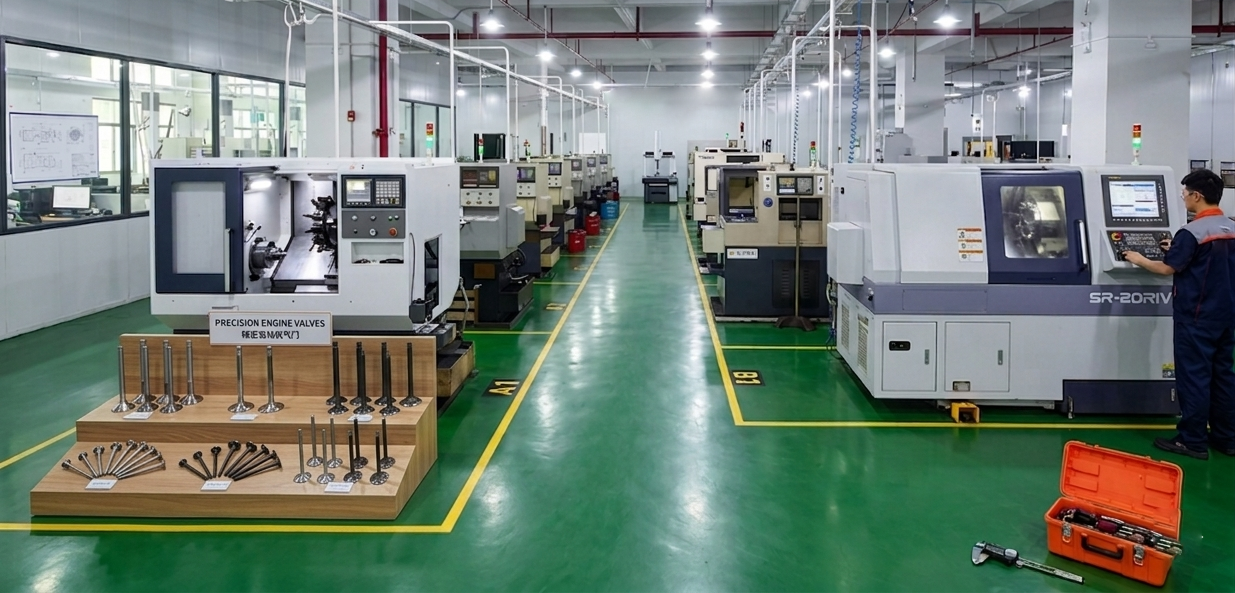
Production area for lamp and body part assemblies, including dimensional and functional inspection stages.
The Body Family: Grilles, Front and Rear Bumpers, and Side Mirrors
Grilles
A grille is a front-end part performing three jobs at once: it manages airflow toward the radiator, it protects the cooling package from debris, and it defines the visual identity of the front fascia. It can also carry the emblem mount and, on newer trims, sensor apertures.
The documented material for grilles is premium ABS. ABS is chosen because it holds dimensional tolerance across the locating tabs and clip slots, resists low-speed impact, and accepts paint and chrome finishing cleanly. The relevant production risk is not optical, it is geometric: if the clip positions drift, the grille will fit loosely or will not seat against the bumper at all, and no amount of rework at the destination market fixes a tab that was molded in the wrong place.
Front and Rear Bumpers
Bumpers are the largest parts in the front-end group by both volume and price. The front bumper carries the grille aperture and lamp cut-outs; the rear bumper carries reflector cut-outs, sensor holes and tow hook covers. In collision repair, the bumper is frequently the part that drives the whole order, because a bumper replacement almost always pulls a grille and a lamp assembly with it.
The documented comparison between ABS and PP injection-molded parts and FRP (fiberglass) parts is directly relevant to material selection. According to that comparison:
- Manufacturing and fitment: ABS and PP are injection molded to precise CNC-milled matching slots, providing 100% precise matching slots and four times higher structural flexibility than FRP.
- Surface preparation: ABS and PP arrive with ready-to-paint smooth finishes, while FRP requires extensive sanding, priming and manual modification before painting.
- Service fit: injection-molded parts are direct-fit for standard bumper and grille collision repair and OEM-matching body replacement; FRP is typically reserved for low-volume or custom work.
- Cost structure: ABS and PP require heavy initial tooling investment but then deliver highly cost-effective bulk unit pricing.
- Vehicle efficiency: injection-molded parts are lighter, which supports improved fuel efficiency and aerodynamic flow.
Commercially, bumper programs carry the highest minimum order quantity in the category, documented at 50 pieces per model, precisely because of cargo volume and CBM constraints rather than because of tooling minimums alone. Delivery is FOB Shanghai or Ningbo, with Full Container Load strongly recommended to avoid transit damage, and payment terms of 40% TT deposit reflecting custom plastic tooling setup, with the 60% balance before dispatch. Acceptance is documented as an original mold fixture test for gauge alignment checking plus a surface scratch-free inspection.
Side Mirrors
A side mirror is a functional safety part and an electrical assembly at the same time. The ABS housing and mounting arm set the fitment; the internal motor module and the heated glass set the electrical acceptance test.
Documented acceptance criteria for mirror programs are an electronic motor angle-adjustment actuation test plus a defogger heating element continuity check — both tested before packing, because a mirror that fails on arrival costs a disproportionate amount in return freight relative to its unit value. Minimum order quantity is documented at 100 pieces per model with delivery on FOB Shanghai or Guangzhou terms or EXW factory, LCL sea freight accepted, and payment terms of a 30% TT deposit with the 70% balance against documents (DP) or by standard telegraphic transfer.
Material Composition: Why Optic-Grade PC and ABS Define These Categories
Two polymers dominate the parts described in this article, and the reason for each choice is functional rather than commercial.
Polycarbonate (PC) is used for lamp lenses and outer lens surfaces. It combines optical clarity with impact resistance, which is why it displaces glass in modern lighting. Its known weakness is ultraviolet degradation, which shows up as lens yellowing. The documented control is to use premium optic-grade PC and apply a UV-resistant hard coating to the lens.
ABS is used for lamp housings, grilles, bumper covers and mirror housings. It holds dimensional tolerance, absorbs impact and accepts paint and chrome finishing, which makes it suitable for parts that must both fit precisely and look correct after painting. Grilles are specified in premium ABS for the same reasons.
Polypropylene (PP) appears in bumper applications where flexibility and cost balance matter, and it is grouped with ABS in the documented injection-molding comparison. FRP (fiberglass) remains a legitimate option for low-volume panels but carries a heavier finishing burden and lower structural flexibility.
Material decisions also carry a production risk that buyers rarely see in a catalogue. Mold wearing is a documented quality risk: as tooling passes through its life cycle, critical tolerances drift and parts gradually lose fitment accuracy. The documented control is predictive maintenance and tooling lifecycle audits, with a strict preventive maintenance schedule enforced every 50,000 molding cycles and critical mold tolerances monitored using high-precision coordinate measuring machines so that worn inserts are replaced proactively rather than after a defective batch has shipped.
A second, non-technical material risk is design infringement. Because replacement body parts reproduce the geometry of a vehicle, tooling development has to stay clear of protected designs. The documented controls are legal due diligence in patent review and design validation, with an in-house legal team reviewing patent databases before mold development, and a design focus on exact-replacement fitment specification for the automotive aftermarket without reproducing decorative brand logos.
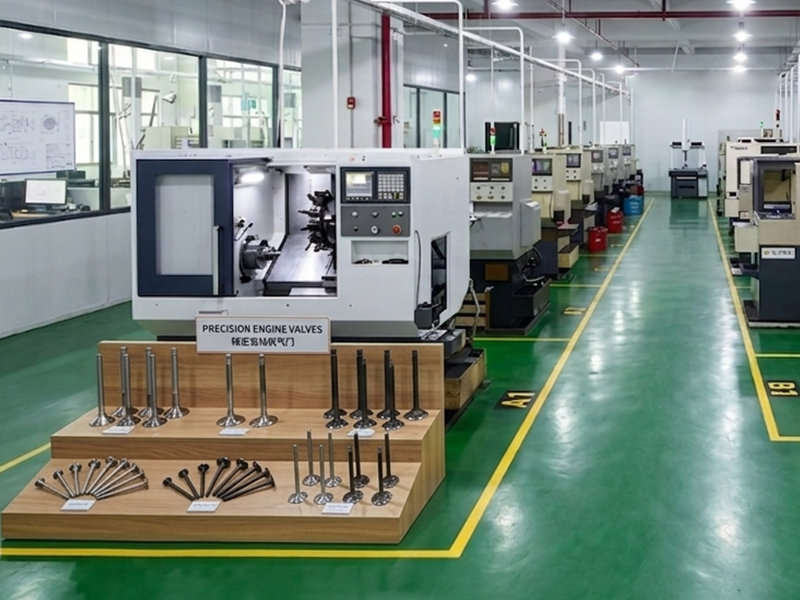
Quality commitment — material verification, dimensional inspection and performance testing applied batch by batch.
Fitment: Why Vehicle-Specific Matching Decides the Order
Fitment is the point where the lighting family and the body family behave identically: both are defined by the vehicle variant, not by the part name. Two vehicles can share a platform, an engine and a model year and still take different bumper brackets, different lamp connectors and different grille clips.
The documented example in this catalogue illustrates how specific the mapping becomes. The Toyota Corolla 2014 Middle East fog lamp is identified by model TYJ-01-0008. Three separate pieces of information are compressed into that single reference: the vehicle and generation, the market specification (Middle East), and the part function. A buyer who orders a fog lamp for a 2014 Corolla without the market specification and model number is ordering an assumption, not a part.
Market specification is not a marketing label. Middle East specification implies sustained high ambient temperature, ultraviolet exposure and airborne dust. Under those conditions, the documented controls that matter most are the UV-resistant hard coating on the lens and the airtightness pressure test on the housing seal — the two measures that directly address lens yellowing and water leakage. In colder or wetter markets, the same sealing controls matter for a different reason: condensation and moisture ingress inside the housing.
Fitment is verified at two points in the documented process. For lighting, a physical bracket fitment check confirms that the lamp mounts to the original geometry. For body panels, an original mold fixture test performs gauge alignment checking against the original shape before any unit is packed. Neither test can be replaced by a photograph, which is why buyers evaluating a new supplier should ask which of these tests is applied and on which percentage of the batch.
A practical buyer checklist before confirming any replacement parts order:
- Vehicle model and generation, including any facelift break point.
- Market specification (for example Middle East) and drive side where relevant.
- Lamp technology — halogen or LED — and connector type.
- Whether the part is supplied with brackets, clips and mounting hardware.
- Colour and finish requirement — raw, primed or ready-to-paint.
- The supplier model number, recorded on the purchase order rather than the vehicle name alone.
Step-by-Step: From Part Selection to a Confirmed Production Order
A replacement parts order moves through nine decisions. Each one narrows the specification; skipping any of them shifts risk onto the shipment.
- Fix the vehicle variant. Model, year, generation, market specification and drive side. This is the input that determines every part number downstream.
- Split the requirement into lighting and body. The two halves carry different acceptance criteria and different minimum order quantities, so they should be quoted and specified separately even when shipped together.
- Set the material and finish specification. Optic-grade PC lens with UV-resistant hard coating for lamps, premium ABS for grilles, ABS or PP for bumper covers, ready-to-paint finish where the part will be refinished locally.
- Confirm the correct model reference per part. For the Corolla 2014 Middle East fog lamp, that reference is TYJ-01-0008.
- Validate samples against documented tests. Water immersion test for waterproof validation and a physical bracket fitment check for lighting; original mold fixture test for gauge alignment plus scratch-free surface inspection for body panels; motor actuation and defogger continuity for mirrors; lens clarity and 100% functional power-on test for lamp assemblies.
- Confirm minimum order quantity by part family. Documented levels range from 50 pieces per model for high-volume body panels to 100 and 200 pieces per model for lamp and mirror programs.
- Calculate carton volume before booking freight. Packing density decides whether a program ships LCL or FCL, and body parts normally dominate the container plan.
- Agree commercial terms. Documented structures include 30% TT deposit with 70% balance before shipment or against documents, and 40% deposit with 60% balance before dispatch where custom plastic tooling is set up; FOB Shanghai or Ningbo for ocean freight and door-to-door terms for smaller air-freight batches.
- Lock the packaging protocol and plan the repeat order. Packaging standards and tooling maintenance are what keep the second and third orders identical to the first.
Packaging, Volume and Freight Basics
Packing density is the least glamorous and most frequently underestimated input in a replacement parts quotation. Two parts with similar unit prices can differ by a factor of several in freight cost per piece.
The documented fog lamp example gives a working reference point: 50 pieces per carton at 0.094 CBM per carton. That ratio converts directly into container planning. A 10,000-piece fog lamp order equals 200 cartons and approximately 18.8 CBM of carton volume (200 × 0.094). A bumper program, by contrast, consumes far more volume per unit, which is exactly why the documented MOQ for high-volume body panels is set at 50 pieces per model on CBM grounds and why Full Container Load shipping is recommended to reduce handling and transit damage.
Transit damage is a documented risk in its own right, covering broken brackets and scratched lenses. The controls are specific rather than generic:
- Custom-engineered double-wall corrugated cartons with precision-cut shock-absorbing foam inserts, sized to the part rather than to a standard box.
- Peelable anti-scratch protective film applied to all outer lenses and high-gloss chrome surfaces, removable at the dealership or workshop.
- Batch-level tracing applied through lens laser markings, so that a defect found downstream can be traced back to a production batch.
Buyers should treat the packaging specification as part of the product specification. It is one of the few variables that can be verified at the sample stage and then held constant across a multi-year supply relationship.
Use Cases: How the Two Families Combine in Real Orders
1. Middle East distributor restocking a single high-volume model
A distributor supplying workshops for the Toyota Corolla 2014 in Middle East specification orders front-end parts in model-level quantities. The fog lamp is ordered as TYJ-01-0008; head lamps and grilles follow the same vehicle reference. Because the vehicle population is stable and the demand is repeat, the useful lever is not the first-order price but the consistency of the second and third shipments.
2. Collision repair workshop rebuilding a front end
A workshop replacing a front bumper almost always needs the grille and at least one lamp assembly in the same lot. Ordering them from one source keeps material, colour-match behaviour and fitment references consistent, and it removes the risk of a bumper arriving from one supplier and a grille from another with clip positions that do not agree.
3. Importer consolidating lighting and body in one container
Because lighting parts are dense and body parts are bulky, a mixed container is often the most efficient freight outcome. The planning sequence is to fix the body part volume first, then fill the remaining space with lighting and mirror programs.
4. Fleet maintenance planner building a repeat-order schedule
Fleet operators with a fixed vehicle population benefit from standardising part numbers and packaging units, because a repeatable carton size makes warehouse slotting and reorder points predictable.
5. Wholesaler adding a lighting line to an existing body-part catalogue
A wholesaler already selling Toyota body parts can extend into lighting without changing the customer base, because the same buyer ordering a Toyota bumper is the buyer ordering a Toyota head lamp. This is the ecosystem logic behind a broad replacement parts range: one vehicle reference supports multiple part families, and one supplier relationship supports them all.
Category Comparison Table
| Category | Primary function | Documented material | Fitment driver | Documented inspection focus |
|---|---|---|---|---|
| Head lamp | Forward illumination and beam pattern | Optic-grade PC lens with UV-resistant hard coating; ABS housing | Housing bracket geometry, connector type, halogen or LED | Lens clarity plus 100% functional power-on test (photometric alignment, LED chip check); 100% airtightness pressure test on housing seals |
| Fog lamp | Low, wide auxiliary beam for fog, dust and heavy rain | Optic-grade PC lens with UV-resistant hard coating; ABS housing | Lower fascia bracket geometry and market specification | Sample water immersion test (waterproof validation) plus physical bracket fitment check |
| Back lamp | Rear signalling | PC lens; ABS housing | Trim and market variant connector configuration | Lens clarity and functional light output |
| Grille | Airflow management, radiator protection, front fascia identity | Premium ABS | Clip slots and locating tabs against original panel geometry | Gauge alignment and surface scratch-free inspection |
| Front bumper | Impact absorption, carrier for grille and lamp apertures | ABS or PP injection molded | Mounting brackets, lamp cut-outs, panel gaps | Original mold fixture test (gauge alignment) plus scratch-free surface inspection |
| Rear bumper | Impact absorption, reflector and sensor provision | ABS or PP injection molded | Bracket positions, sensor and tow hook cut-outs | Original mold fixture test (gauge alignment) plus scratch-free surface inspection |
| Side mirror | Rearward visibility, electrically adjusted | ABS housing with glass and motor module | Mounting arm geometry and electrical connector | Electronic motor angle-adjustment actuation test plus defogger heating element continuity check |
Long-Term Supply Planning: What Distributors Should Lock In Before the Second Order
For a distributor, the first order tests the product. The second order tests the supplier. The following controls are the documented measures that make repeated supply predictable rather than opportunistic.
Buffer inventory on critical components
Supply chain disruption and raw material shortage are recognised risks for this category, specifically plastic resin price spikes and delays in electronic components. The documented response is strategic sourcing combined with buffer inventory management: long-term strategic contracts with major plastic polymer suppliers, and a two-month safety buffer stock for critical electronic components such as LED chips and driver chips. For a buyer, that buffer is the difference between a lamp program continuing through a component shortage and a lamp program going on allocation.
Tooling maintenance across the product life cycle
Fitment quality decays silently as molds wear. The documented schedule enforces preventive maintenance every 50,000 molding cycles, with critical mold tolerances monitored on coordinate measuring machines and worn inserts replaced proactively. Buyers ordering a program that will run for several years should ask how tooling maintenance is scheduled, because this is the mechanism that keeps year-three parts matching year-one parts.
Regulatory and traceability continuity
Regulatory risk in lighting is documented around FMVSS-108, DOT, SAE and E-Mark requirements. The documented controls are optical photometric testing during the design phase, partnership with accredited labs to secure formal DOT and SAE registrations, and strict batch-level tracing on lens laser markings. Supply chain partners operate under ISO 9001 and IATF 16949 quality management standards, and every batch undergoes dimensional inspection, material verification and performance testing before shipment.
Quality assurance at the material level
Lens yellowing and water leakage are addressed through premium optic-grade PC and ABS polymers, UV-resistant hard coating on lamp lenses, and 100% airtightness pressure testing on headlight housing seals. These are material and process decisions, not final inspection decisions, which is why they hold across repeat orders.
Documented purchasing terms by program type
| Program type | Documented MOQ | Documented acceptance criteria | Documented payment terms |
|---|---|---|---|
| Pair-packed lamp assemblies | 200 pieces per model | Sample water immersion test (waterproof validation) plus physical bracket fitment check | 30% TT deposit, 70% balance before shipment or via online trade assurance |
| Lamp and mirror assemblies | 100 pieces per model | Lens clarity plus 100% functional power-on test; or motor angle-adjustment actuation test plus defogger continuity check | 30% TT deposit, 70% balance against documents (DP) or standard TT; or against B/L copy / L/C at sight |
| High-volume body panels (bumper, grille) | 50 pieces per model, driven by CBM constraints | Original mold fixture test (gauge alignment) plus surface scratch-free inspection | 40% TT deposit, 60% balance before dispatch (custom plastic tooling setup) |
As a professional automotive parts exporter, Ruian Golden Import and Export Co., Ltd. supports long-term supply relationships for distributors and wholesalers, providing reliable sourcing and export services for automotive spare parts with a focus on timely delivery and clear communication.
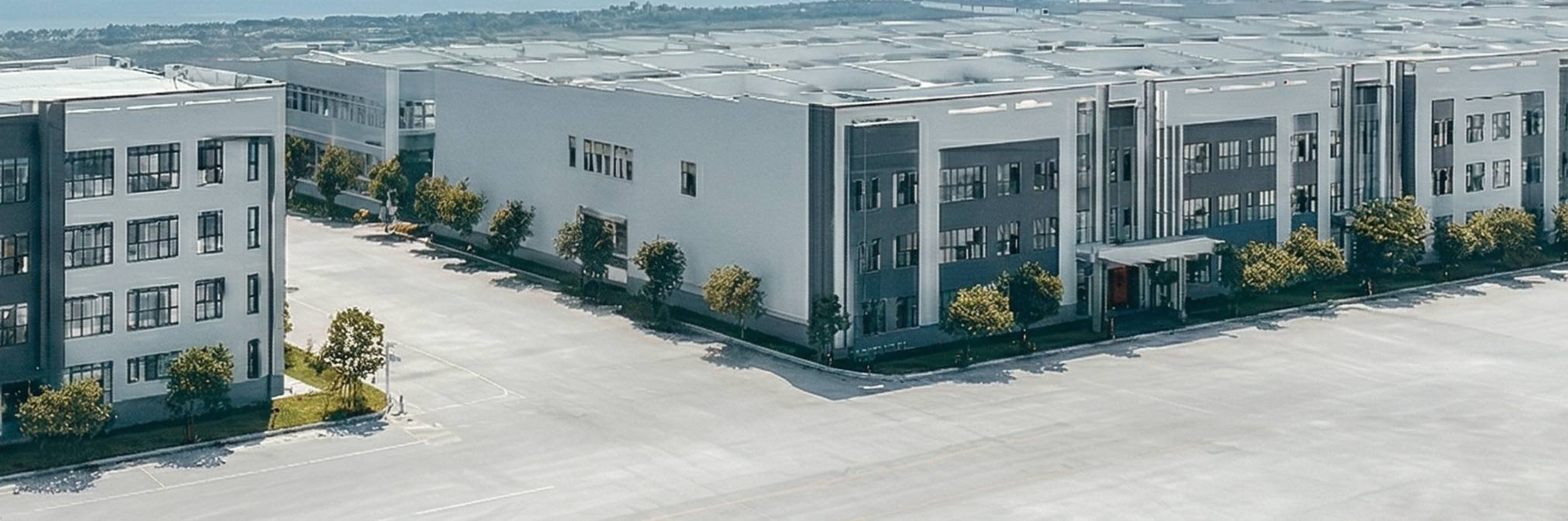
Dispatch preparation — cartons engineered with foam inserts and protective film before container loading.
Frequently Asked Questions
1. What compliance documentation should an importer expect for replacement lighting and body parts?
For lighting, regulatory risk is documented around FMVSS-108, DOT, SAE and E-Mark requirements. The controls applied are optical photometric testing during the design phase, partnership with accredited labs to secure formal DOT and SAE registrations, and strict batch-level tracing implemented through lens laser markings. Optical photometric testing is carried out at design stage rather than after production, and traceability is applied per batch rather than per shipment. For body parts, the equivalent compliance work is material verification and design validation, supported by legal due diligence in patent review so that the tooling does not reproduce protected designs. Buyers should request the registration status against each lamp part number, not against the supplier in general.
2. Can one supplier cover both lighting and body parts for a long-term program?
Yes, and for most importers this is the practical model. Gold Auto Part supplies head lamps, fog lamps, grilles, front bumpers, rear bumpers, side mirrors and back lamps, with supply chain partners operating under ISO 9001 and IATF 16949 quality management standards. Every batch undergoes dimensional inspection, material verification and performance testing before shipment. Long-term coverage depends on three documented capabilities: strategic sourcing with a two-month safety buffer stock for critical electronic components such as LED chips and driver chips; tooling lifecycle management with preventive maintenance every 50,000 molding cycles and coordinate measuring machine monitoring of critical mold tolerances; and design validation checklists supported by in-house legal review of patent databases before mold development.
3. What drives the cost gap between aftermarket and OEM replacement parts?
Tooling amortisation and volume. The documented internal comparison of aftermarket TYJ parts against genuine OEM parts records 98%+ OE fitment accuracy at 30% to 40% of the OEM retail price point, which reduces upfront parts purchasing cost by 60% to 70% compared with OEM dealer prices. The structural reason sits on the material side: ABS and PP injection-molded parts require heavy initial tooling investment but then deliver highly cost-effective bulk unit pricing, and they arrive with ready-to-paint smooth finishes rather than requiring extensive sanding and priming as FRP does. When comparing quotations, buyers should calculate landed cost per unit including carton volume, because a lower unit price at a poorer packing density can cost more in freight than it saves on the invoice.
4. How does sample validation work before a bulk order?
Validation is test-specific rather than visual. For lighting, the documented criteria are a sample water immersion test for waterproof validation and a physical bracket fitment check, supported in production by a visual check for lens clarity and a 100% functional power-on test covering photometric alignment and LED chip check. For body panels, validation uses an original mold fixture test for gauge alignment checking against the original shape, plus a surface scratch-free inspection. For side mirrors, the tests are an electronic motor angle-adjustment actuation test and a defogger heating element continuity check. A sample that passes a photograph test has not been validated; a sample that passes the applicable test on this list has.
5. What are typical minimum order quantities, packing formats and shipment terms?
Documented MOQ levels are 200 pieces per model for pair-packed lamp programs, 100 pieces per model for lamp and mirror assemblies, and 50 pieces per model for high-volume body panels where CBM constraints drive the minimum. Packing is illustrated by the Toyota Corolla 2014 Middle East fog lamp, model TYJ-01-0008, at 50 pieces per carton and 0.094 CBM per carton, in double-wall corrugated cartons with precision-cut shock-absorbing foam inserts and peelable anti-scratch protective film on outer lenses and high-gloss chrome surfaces. Delivery is documented on FOB Shanghai or Ningbo terms, EXW factory, or door-to-door for smaller air-freight batches, with Full Container Load recommended for bumper programs to reduce transit damage. Payment structures include 30% TT deposit with 70% balance before shipment or against documents, and 40% deposit with 60% balance before dispatch where custom plastic tooling is set up. Sample validation and a firm quotation can be requested together — send the part list with vehicle variant and target quantity, and the sample plan, MOQ confirmation and CBM calculation can be issued against the same reference.
Conclusion: Category First, Then Part Number
Head lamps, fog lamps, grilles, front bumpers, rear bumpers, side mirrors and back lamps are not variations of one product. They are two engineered families — one judged by light, sealing and electrical performance, the other by geometry, impact behaviour and surface finish — that happen to share a vehicle.
The practical sequence that follows from this is consistent. Identify the vehicle variant and market specification first. Separate the lighting requirement from the body requirement, because their acceptance criteria and minimum order quantities differ. Fix the material specification — optic-grade PC with UV-resistant hard coating for lenses, premium ABS for grilles, ABS or PP for bumper covers. Convert the order into carton volume before negotiating freight. Then select the supplier on the capabilities that decide repeated supply: buffer stock on critical electronic components, tooling maintenance across the mold life cycle, documented compliance registrations, and packaging that protects high-gloss surfaces in transit.
Category clarity reduces cost. A correctly specified fog lamp referenced as TYJ-01-0008 avoids a returned shipment; a correctly specified bumper program avoids a container that will not cube out. Both outcomes come from the same discipline: read the part as an engineered component, not as a line item.
Next Step: Sample, Specification and Quotation
Gold Auto Part (Ruian Golden Import and Export Co., Ltd.) supports long-term supply relationships for distributors and wholesalers, with reliable sourcing and export services for automotive spare parts focused on timely delivery and clear communication.
Contact: NIKO · Email: mia@goldautopart.com · Tel / WhatsApp: +8613967781122
Address: 22F, Building 2, No. 1111 Kaifaqu Avenue, Dongshan Street, Ruian, Wenzhou, Zhejiang, China
Website: www.goldautopart.com
Send your part list with vehicle variant, market specification and target quantity to request a sample plan, MOQ confirmation, carton CBM calculation and quotation.
Have Questions or Need More Details?
Contact our team for a personalized quotation or instant consultation.
Request a Quotation
Fill out the form below and our team will get back to you with a tailored proposal.
WhatsApp Direct Chat
Prefer to chat in real-time? Message us on WhatsApp for instant assistance & quick answers.
- Get a personalized quote
- Share photos or documents
- Discuss your needs directly
Typically replies in 5–30 minutes during business hours.