
Toyota Replacement Parts: OEM vs. TYJ Aftermarket – A Decision Guide for Buyers
Toyota Replacement Parts: OEM vs. TYJ Aftermarket – A Decision Guide for Buyers
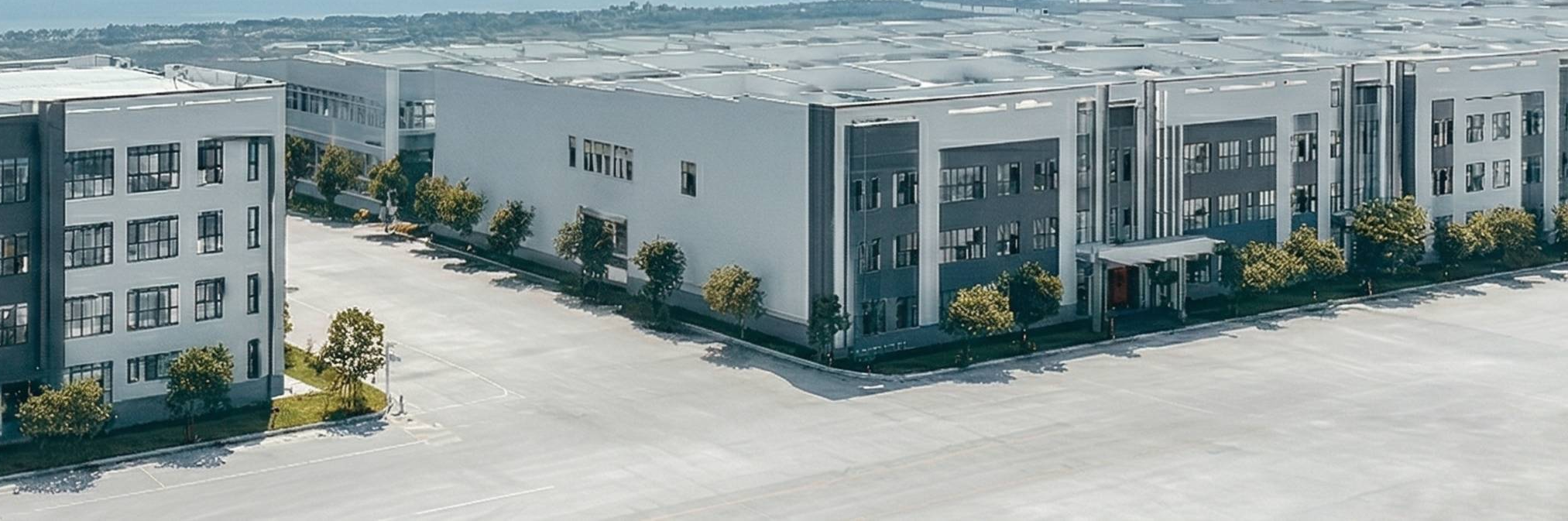
Gold Auto Part’s export operations are based in Ruian, one of China’s established automotive parts manufacturing hubs.
Purchasing Toyota replacement parts for import, wholesale, or workshop use is not simply a choice between “original” and “cheap.” Buyers must evaluate fitment accuracy, certification, material type, lighting technology, supplier risk controls, and total cost over the life of the part. This guide compares verified specification data for genuine OEM parts, TYJ aftermarket parts, LED and halogen head lamp assemblies, and ABS/PP versus FRP body parts. The goal is to give procurement teams a clear framework for making the final supplier decision.
Problem Definition: Why Toyota Replacement Parts Decisions Are Hard to Compare
The core challenge in sourcing Toyota replacement parts is information asymmetry. Buyers compare list prices, but the cost difference between a genuine OEM part and an aftermarket auto part is only meaningful if the aftermarket part matches the original mounting points, passes applicable documentation checks, and performs for an acceptable service life.
The buyer’s decision also sits on top of a large and aging vehicle park. According to Business Research Insights, the average age of vehicles on U.S. roads reached 12.6 years in 2026. Older vehicles increase demand for Toyota body parts, bumpers, grilles, headlamp assemblies, automotive filters, engine valves, and engine mounts. When the vehicle is outside its warranty period, the price gap between dealer parts and aftermarket options becomes a practical procurement question.
This guide uses supplier comparison data provided by Ruian Golden Import and Export Co., Ltd. (Gold Auto Part), an automotive parts exporter based in Ruian, Wenzhou, Zhejiang Province, China. Gold Auto Part supplies engine valves, Toyota exterior parts, oil filters, air filters, and replacement parts for passenger cars and light commercial vehicles.
Industry Background: Market Scale and Sourcing Reality
The scale of the market helps explain why Toyota replacement parts deserve structured comparison. The global automotive aftermarket was estimated at USD 860.08 billion in 2025 and is predicted to reach USD 1,482.12 billion by 2035, according to Vertex AI Search / Market Analysis. The global automotive collision repair market, which drives demand for bumpers and grilles, was valued at USD 208.0 billion in 2025, according to Grand View Research.
On the supply side, China’s exports of motor vehicle parts (HS 870899) reached approximately USD 10.9 billion in 2024, and exports of motor vehicle parts to the United States reached USD 11.54 billion in the same year, according to UN Comtrade/WITS. The automotive filters aftermarket segment is expected to hold a 69.55% market share by 2026 because of high replacement rates.
For a procurement team, these numbers signal two things: demand for replacement parts is broad enough to justify a long-term program, and China is already a major origin for these parts. The remaining work is supplier selection and comparison.
Detailed Solution: Compare Toyota Replacement Parts by Fitment, Technology, Material, and Risk
The practical solution is to compare Toyota replacement parts using four lenses: channel economics, lighting technology, body-part material, and production risk control.
Genuine OEM Parts vs. TYJ Aftermarket Parts
The core differences between TYJ aftermarket parts and genuine OEM parts lie in material quality, manufacturing certification, and retail channels. TYJ aftermarket parts are the aftermarket components referenced in the comparison data used for this guide.
From a performance standpoint, TYJ aftermarket parts achieve 98% or higher OE fitment accuracy at a price point of 30%-40% of OEM retail. This makes them suitable for post-collision repairs, professional workshops, and budget-conscious vehicle restorations.
For buyers, the financial impact is direct: TYJ aftermarket parts reduce upfront parts purchasing costs by 60% to 70% compared with OEM dealer prices. They are designed for direct plug-and-play installation, requiring no modifications or custom wiring adaptors.
| Comparison Point | Genuine OEM Parts | TYJ Aftermarket Parts |
|---|---|---|
| Core difference | Material quality, manufacturing certification, and OEM retail channels | Aftermarket alternative built around replacement fitment |
| Fitment accuracy | OEM specification baseline | 98% or higher OE fitment accuracy |
| Price point | OEM retail price | 30%-40% of OEM retail price |
| Upfront purchasing cost | OEM dealer price | 60%-70% lower than OEM dealer price |
| Installation | OE direct fit | Plug-and-play; no modifications or custom wiring adaptors |
| Best use cases | Warranty-sensitive or OEM-specified work | Post-collision repairs, professional workshops, budget-conscious restorations |
Comparison source: TYJ vs. OEM dataset used in this guide.
LED Head Lamps vs. Traditional Halogen Head Lamps
When evaluating a Toyota headlamp assembly or a Toyota RAV4 headlamp assembly, the light source decision is as important as the housing fitment. LED head lamps differ from halogen head lamps in light source technology, luminous flux, thermal management, and modern aesthetics.
LED head lamps deliver 3x higher brightness (lumens) and up to 10x longer service life compared with halogen lamps. They are more suitable for high-end vehicle trim restorations, night driving safety upgrades, and foggy or rainy regions due to superior light projection.
The total cost comparison also favors LED in many replacement programs. LED head lamps have a higher initial purchase price, but they reduce long-term bulb replacement costs. Halogen lamps require frequent bulb swaps, while LED lamps use a solid-state design with integrated heat sinks. LED head lamps also consume up to 50% less vehicle electrical wattage while producing superior light projection.
ABS/PP Injection Molded Parts vs. FRP for Toyota Body Parts
For Toyota bumper, Toyota grille, and Toyota body parts replacement, the material decision is usually between ABS/PP injection molded parts and FRP (fiberglass) parts. ABS/PP provides 100% precise CNC-milled matching slots and 4x higher structural flexibility over alternatives. These parts are best for standard bumper and grille collision repair and OEM-matching body replacements.
The difference in surface finish is critical in workshops. ABS/PP parts feature ready-to-paint smooth finishes, while FRP requires extensive sanding, priming, and manual modifications before painting. ABS/PP also requires heavy initial tooling investment, but once the tooling exists, unit pricing becomes cost-effective for bulk orders. ABS/PP parts are lighter, which supports fuel efficiency and aerodynamic flow.
Supplier Risk Controls: The Missing Layer in Many Price Comparisons
At decision stage, buyers should ask how a supplier prevents quality problems, not only how it reacts to them. The risk data used for this guide identifies six areas that affect Toyota replacement parts procurement:
- Mold wearing and production quality degradation. The manufacturer addresses this risk through predictive maintenance and tooling lifecycle audits. This includes a preventative maintenance schedule every 50,000 molding cycles and monitoring of critical mold tolerances with high-precision coordinate measuring machines.
- Intellectual property and design infringement. Control is achieved through legal due diligence and design validation checklists before mold development.
- Supply chain and raw material shortage. The manufacturer uses strategic sourcing and buffer inventory management, including long-term contracts with polymer suppliers and a 2-month safety buffer for critical electronic components such as LED chips and driver chips.
- Transit and logistics damage. Control is achieved through protective packaging and shipping protocol standardization.
- Regulatory and compliance risk. The company performs optical photometric testing during the design phase and applies strict batch-level tracing on lens laser markings.
- Quality and durability risk. The manufacturer uses premium optic-grade PC and ABS polymers, applies UV-resistant hard coating to lamp lenses, and executes 100% airtightness pressure testing on headlight housing seals before packaging.
These controls help a buyer determine whether a supplier can maintain consistent fitment and quality from one batch to the next.
Step-by-Step Breakdown: A Decision Workflow for Toyota Replacement Parts
- Identify the exact vehicle and OE reference. Collect model, year, trim, and original part number before starting supplier conversations.
- Define the repair scenario. Collision repair, routine replacement, and upgrade programs have different fitment and durability requirements.
- Screen for fitment accuracy. Use a target of 98% or higher OE fitment accuracy when comparing Toyota aftermarket parts.
- Check certification and quality management. Confirm that the supply chain operates under ISO 9001 and IATF 16949 standards, and that lighting products are tested at the design stage.
- Compare total cost of ownership. Include purchase price, installation time, maintenance, and expected replacement cycle.
- Select the material for the application. For standard bumper and grille repairs, ABS/PP parts simplify finishing. For upgrades in wet or dark driving conditions, LED head lamps provide stronger light output.
- Review supplier risk controls. Ask about mold maintenance schedules, buffer inventory, packaging standards, and batch tracing.
- Request a quote or sample. Confirm current lead time, packing method, quality documents, and payment terms.
Use Cases: Where Each Toyota Replacement Parts Option Fits
Post-Collision Repair Programs
TYJ aftermarket parts are positioned for post-collision repairs. For standard Toyota bumper and Toyota grille replacements, ABS/PP injection molded parts provide precise matching slots and a ready-to-paint surface. This reduces the surface preparation burden commonly associated with fiberglass parts.
Professional Workshops with High Repair Volume
Workshops benefit from plug-and-play installation. TYJ aftermarket parts require no modifications or custom wiring adaptors, which is important when a shop is replacing multiple Toyota body parts in the same work order.
Budget-Conscious Vehicle Restorations
For older Toyota models where the vehicle value does not justify OEM dealer pricing, TYJ aftermarket parts reduce upfront parts purchasing costs by 60% to 70% compared with OEM dealer prices.
Night-Driving and Rainy-Region Lighting Upgrades
For a Toyota RAV4 headlamp assembly, LED head lamps are more suitable for high-end trim restorations, night driving safety upgrades, and foggy or rainy regions due to superior light projection.
Frequently Asked Questions
Do TYJ aftermarket Toyota replacement parts meet quality management standards?
According to the supplier data reviewed in this guide, Gold Auto Part’s supply chain partners operate under ISO 9001 and IATF 16949 quality management standards. The manufacturer also applies optical photometric testing during the design phase, batch-level tracing on lens laser markings, and 100% airtightness pressure testing on headlamp housing seals.
How close are TYJ aftermarket parts to OEM Toyota replacement parts in fitment?
TYJ aftermarket parts achieve 98% or higher OE fitment accuracy at a price point of 30%-40% of OEM retail. They are designed for direct plug-and-play installation, requiring no modifications or custom wiring adaptors.
Can LED Toyota headlamp assemblies reduce long-term operating costs?
LED head lamps have a higher initial purchase price but reduce long-term bulb replacement costs. They deliver up to 10x longer service life and consume up to 50% less vehicle electrical wattage compared with halogen lamps.
What should a buyer request before a bulk order of Toyota replacement parts?
Before a bulk order, request a quote with the exact Toyota model, year, and OE reference, and ask for current lead time, packaging details, and quality documentation. Buyers can contact Gold Auto Part at mia@goldautopart.com or via WhatsApp at +8613967781122.
How long does delivery take for wholesale Toyota replacement parts?
Gold Auto Part states that global importers need a partner who delivers on time and communicates clearly. Actual lead time depends on product category, order volume, and stock levels, so buyers should confirm lead time when requesting the quote.
Conclusion
Toyota replacement parts decisions should be based on four measurable factors: fitment accuracy, certification, total cost, and supplier risk control. For buyers who need a lower-cost alternative without sacrificing OE fitment, TYJ aftermarket parts provide a benchmark of 98%+ fitment accuracy at 30%-40% of OEM retail, with plug-and-play installation and upfront savings of 60%-70% versus dealer pricing. For lighting, LED head lamps offer better brightness, longevity, and energy efficiency. For body parts, ABS/PP injection molded parts simplify finishing and improve structural flexibility.
The final step is validation: confirm part numbers, request current documentation, and speak directly with the exporter before committing to volume.
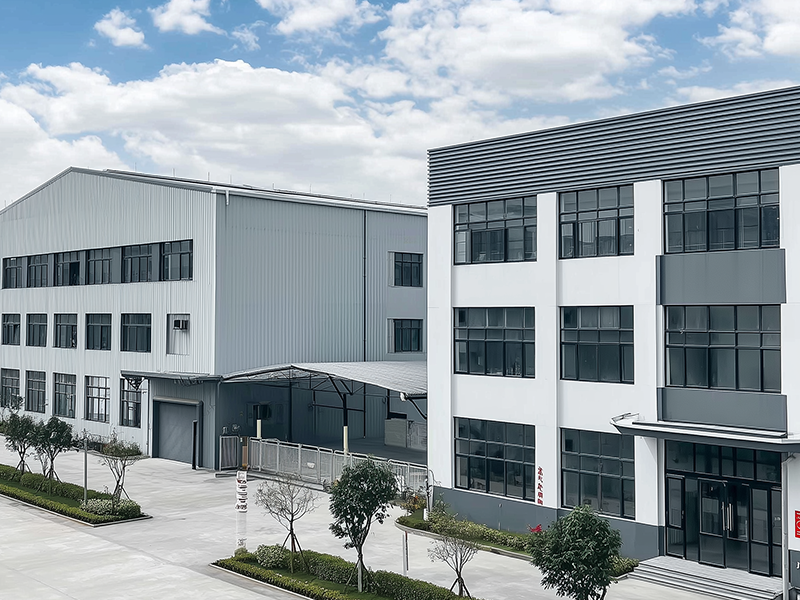
Gold Auto Part supports importers, wholesalers, and distributors with Toyota replacement parts inquiries.
Get a quote for Toyota replacement parts
Contact NIKO at Ruian Golden Import and Export Co., Ltd. (Gold Auto Part)
Email: mia@goldautopart.com | Tel/WhatsApp: +8613967781122
Official website: www.goldautopart.com
Have Questions or Need More Details?
Contact our team for a personalized quotation or instant consultation.
Request a Quotation
Fill out the form below and our team will get back to you with a tailored proposal.
WhatsApp Direct Chat
Prefer to chat in real-time? Message us on WhatsApp for instant assistance & quick answers.
- Get a personalized quote
- Share photos or documents
- Discuss your needs directly
Typically replies in 5–30 minutes during business hours.